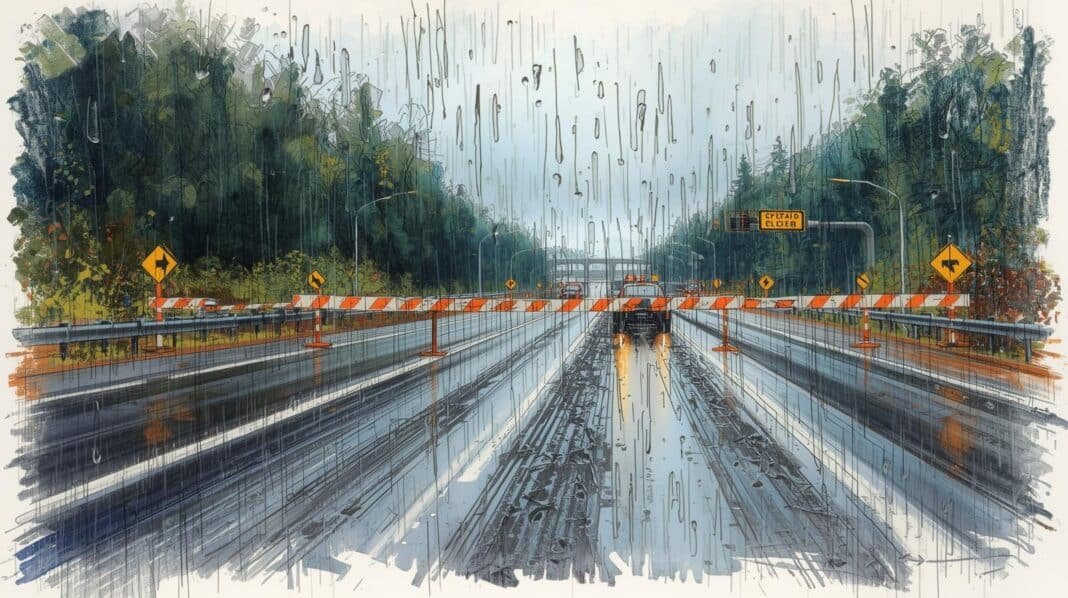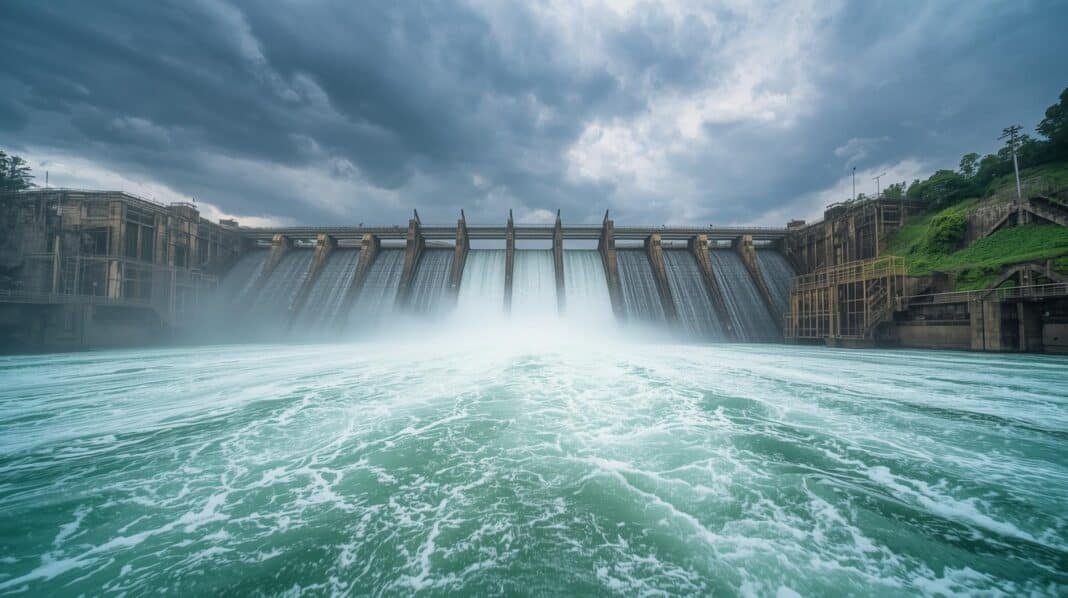
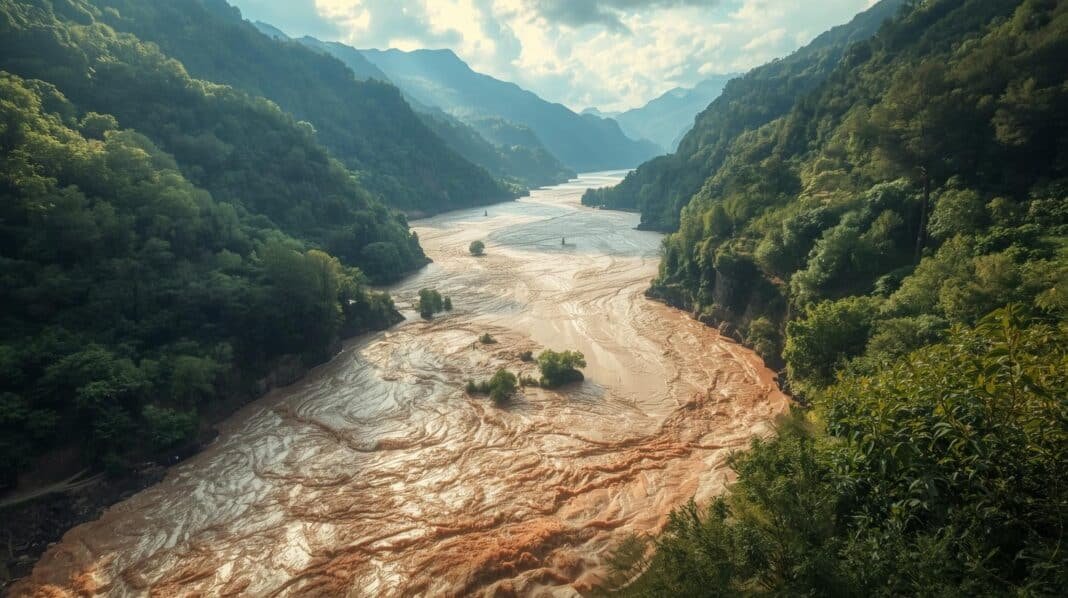

The India floods 2025 have unleashed severe devastation across the northern states, triggering loss of life, displacement, and disruption on an unprecedented scale. Caused by intense monsoon floods in India and complicated by the Himalayan region’s vulnerabilities, this catastrophe underscores the urgent need for climate resilience, disaster preparedness, and sustainable infrastructure across affected zones.
India’s Northern States in ‘Crisis Mode’ After Floods and Landslides Wreak Havoc
Screams for help were drowned by the roar of surging water and collapsing earth as northern India was gripped by one of the most terrifying natural disasters of year. Through it all, chaos and destruction separated families, washed away homes, destroyed critical transportation links. At least 34 people are confirmed to have died and many others remain missing or displaced as the monsoon rains of August 2025 have become a critical turning point for both citizens and officials in the country.
Why Did India Have Floods in August 2025?
The cause of the deadly deluge and landslides that ravaged India’s northern states was the unceasing rain that began last week and continued through August 27. Severe rainfall was recorded in Jammu, Kashmir, Himachal Pradesh and certain areas of Ladakh, the India Meteorological Department (IMD) said. In Jammu, the rainfall over 24 hours totaled a staggering 368 millimeters (14.5 inches) well above seasonal norms.
Triggering Factors of the 2025 Monsoon Floods in India
These are Himalayan monsoon-induced extreme weather events that turned lethal due to poor drainage, steep topography and overstressed river systems. The situation was worsened by flash floods as rivers the Tawi, Chenab, Jhelum and Basantar over his their banks in densely populated low-lying areas in Jammu and Kashmir. Landslides soon followed, destabilizing saturated hillsides and severing critical pilgrimage and transportation routes.
Vaishno Devi Landslide Emerges as Tragic Nucleus of Jammu Kashmir Floods
One of the worst-hit areas was a huge landslide close to the sacred shrine of Vaishno Devi, one of the most famous pilgrimage sites in Jammu and Kashmir state’s Trikuta hills. Debris and mud fell onto a stretch of the pilgrimage route, killing at least 30 of the pilgrims. It is one of the deadliest instances to have taken place on the sacred path in recent memory and has prompted public mourning.
Causes and Consequences of the Vaishno Devi Landslide
The local administration and disaster management forces sealed off the area and started search and rescue operations. They point to weather-related soil erosion and loss of tree cover as key factors in the slope’s collapse. Although a risk zone, the volume of the rainfall exceeded even the worst-case scenarios contemplated during seasonal preparedness drills.
Which Parts of India Were Hit Hardest by the August Floods?
The worst affected areas are spread across Jammu and Kashmir, Ladakh and Himachal Pradesh. Vital districts such as Doda in Jammu too witnessed multiple deaths, as Kishtwar saw another landslide disaster last week, which left 60 dead and almost 200 still missing. The mountainous region makes access difficult, and continued rain was hampering rescue efforts, according to reports.
City-Level Damage, Communication Disruption & Bridge Collapse
Statewide directions led to a brief closure of schools in Punjab and in many towns of Himachal Pradesh. Communication services were largely cut off in one of Jammu and Kashmir’s districts, and families were frantically trying to find out if their relatives were missing. Power and water supplies were also paralyzed, plunging millions into desperation.
Madhopur Bridge Collapse: A Symbol of Infrastructure Breakdown
Some of the structural damage took place when the Madhopur bridge, a key passage between several northern states, collapsed under pressure from the swollen rivers. Chilling footage from television cameras showed cars falling into the waters as portions of the bridge crumbled.
How Is the Indian Government Responding to the Floods of 2025?
Emergency response operations led by the Indian government along with the local disaster response units and the Indian Army have been launched in the affected northern belt. “Restore water and electricity supply is the priority now followed by restoration of telecommunication lines,” said Union Minister of Science and Technology, Jitendra Singh.
Relief Measures, Rescue Missions and Satellite Monitoring
Makeshift relief camps have been established to shelter the displaced but access is still spotty and interrupted by damaged roads and continuing landslides. Mobile health units have been sent, especially to rural and isolated relatively wealthy hill communities that have been completely cut off due to blocked roads.
IMD Weather Alert and Continuous Rainfall Threat in Jammu Kashmir
The IMD officials are also giving updated weather alerts and forecast, which warn of more rains, either moderate or heavy, in the next few days. IMD also forecast thunderstorms accompanied by gusty winds in Ladakh and further showers in Jammu and Kashmir. The warnings have prompted bodies to bolster emergency teams and to monitor by satellite the areas most at risk of flooding.
Also Read, Jammu Srinagar Highway Closed Amid Heavy Rains and Flood Alert in J&K
International Impact and Pakistan’s Floods Due to Overflow from Indian Reservoirs
The effects of the excess Indian monsoon are also being experienced outside its borders. In Pakistan, which shares a long border with India, officials in the eastern province of Punjab said they were taken aback by India’s decision to release water from two of its reservoirs after days of prolific monsoon rains. The spill has caused perilously high water levels in the Sutlej River in Pakistan, where nearly 150,000 lives were threatened.
Cross-border Hydrological Concerns and Human Displacement
More than 35,000 people voluntarily evacuated on early warnings, but the rain-induced destruction is impacting thousands already. It is the common hydrological systems of India and Pakistan that underline yet again the need for cooperative management of river basins, especially during the monsoon months.
Human and Emotional Toll of the Himalayan Floods
Beyond the numbers and the state responses is the bleak, piercing human suffering families now grieving over fragments of those who will never come home, remote indigenous communities with no access to clean, replenishing food or water, children who have no prospect of going back to school and whose houses are still beneath water. Small farmers in Himachal’s hill country have claimed entirely crops were destroyed overnight, negating months of effort.
Invisible Heroes in the Wake of the Jammu and Kashmir Landslide
Rescue workers, frequently volunteers, still thread treacherous routes through landslide areas with medicine and supplies. Tales of heroism are ubiquitous, but the lack of reliable information, thanks to telecom outages, has stoked confusion, adding to panic.
Rebuilding and the Road Ahead: Preparing for Future India Floods
The government implicitly accepts that the twin challenges of climate change and aging infrastructure have done more than make such disasters more frequent, they have made them worse. IMD has urged for advanced prediction tools and greater involvement from local bodies, particularly in vulnerable Himalayan areas.
IMD Weather Alert and Long-Term Sustainable Land Use Solutions
With the monsoon progressing, civic body of severely affected areas have been told to be on guarded stage. The longer-term reconstruction will need to focus not only on physical infrastructure, but also on community resilience projects, early-warning systems and sustainable land use.
Conclusion: The Climatic Warning from India Floods 2025
The 2025 floods in northern India are a stark reminder of nature’s force, but they also sound an urgent alarm over our readiness for climate-induced disasters. As families grieve and regions recover, the country stares ahead warily striving to make sure that such disasters do not come with increasing regularity.
Frequently Asked Questions (FAQs)
What caused the India floods in August 2025?
The India floods 2025 were primarily caused by prolonged and exceptionally heavy monsoon rainfall, particularly over Jammu, Kashmir, Himachal Pradesh, and Ladakh. The rainfall overwhelmed rivers such as the Tawi and Chenab, leading to flash floods and landslides due to steep terrain and poor drainage infrastructure.
Why was the Vaishno Devi landslide so devastating?
The Vaishno Devi landslide in Jammu and Kashmir became deadly as it struck a heavily trafficked pilgrimage route. Triggered by excessive rainfall, loose soil, and deforestation, it resulted in the deaths of at least 30 pilgrims and highlighted the vulnerability of sacred and high-altitude locations to natural calamities.
How is the Indian government handling the 2025 monsoon floods in India?
The Indian government is conducting large-scale emergency operations, involving the Army, local disaster units, and health services. Restoration of telecommunication, electricity, and rescue efforts in flooded and landslide-hit regions are underway. IMD weather alerts caution of further rains, which complicate disaster management efforts.
Is there international impact stemming from the India heavy rainfall 2025?
Yes, regions in eastern Pakistan, particularly Punjab, were threatened after India released water from swollen reservoirs into shared rivers. This international spillover of floodwaters signals the need for joint water management between India and Pakistan during monsoon months.
Reference
India Floods 2025: 34 Dead in Jammu Landslide, Monsoon Wreaks Havoc