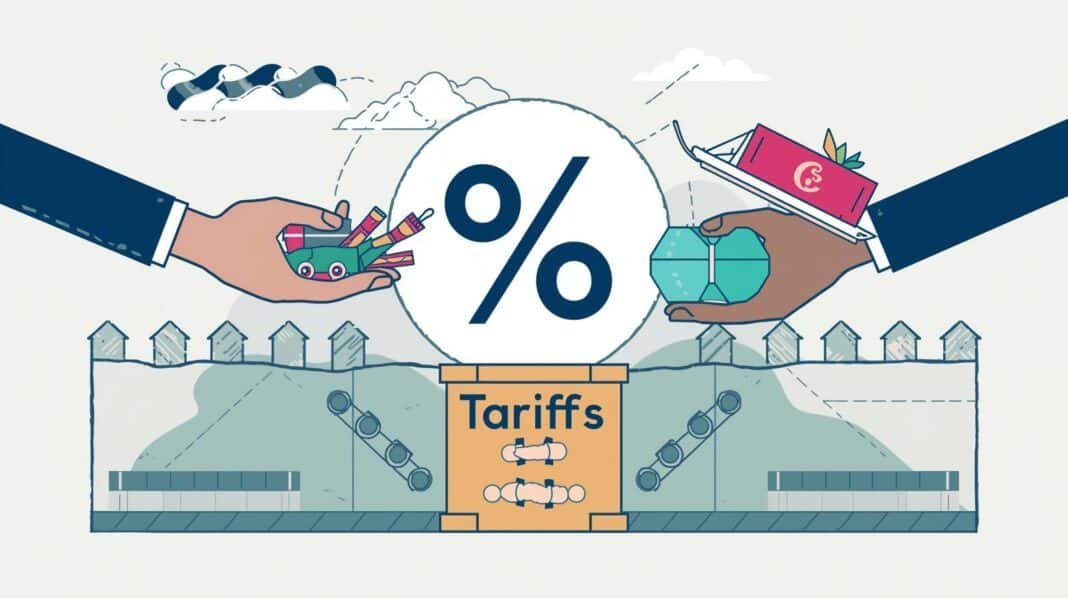

The Trump Indian tariffs 2025 have sparked a renewed India US trade war, triggering trade tensions that impact industries, exporters, and diplomatic relations. With export tariffs nearly doubling on Indian imports, this policy shift marks a critical juncture in US India relations 2025 and poses serious economic implications across sectors.
An Overwhelming Economic Shock: Initial Aftermath of Trump’s India Tariff Hike
An overwhelming sense of unease has spread across India’s export oriented industries since the Trump administration implemented its doubled tariffs on Indian imports. For many small businesses and workers, especially in places like Gujarat, it’s more than just a trade measure – it’s a potentially devastating blow to their livelihoods, and a ripple across one of the world’s largest democracies. With the new economic new, the implications are beginning to bite more than I anticipated.
Trump Indian Tariffs 2025: Why Did Trump Raise the Tariffs on Indian Imports?
August 27, 2025, marked a new era in India-US trade relations when U.S. President Donald Trump imposed a steep hike in tariffs on Indian goods entering the American market. This increased taxes on certain categories to as high as 50%, according to U.S. Customs and Border Protection. The move was largely a retaliatory response to India’s continued purchase of discounted Russian oil – a practice the Trump administration has long argued undercuts Western efforts to economically isolate Moscow.
Trump’s Motivation: Russia, Energy Policy, and Global Trade Impact
The administration already levied a 25% tariff on a range of Indian goods earlier in the year. This additional 25% serves as an additional penalty for India’s oil supply preferences. But the policy, despite being framed in national security terms, is widely criticized and understood as deeply rooted in geopolitical retribution. This combined 50% duty makes Indian products one of the most heavily taxed in the US, together with those from Brazil and China.
The Policy Fallout: How Will Trump’s Tariffs Impact Indian Exporters in 2025?
The hardest blow from the U.S. tariff escalation is likely to be dealt to India’s beleaguered export sector. Sectors such as textiles, gems, leather, furniture and chemicals will be squarely in the cross hairs. India’s export groups say about 55% of India’s exports worth $87 billion to the U.S. will be covered, adding that Indian sellers will be disadvantaged by 30-35% against rivals Bangladesh, Vietnam, and China.
Job Loss and Exporter Vulnerability in Gujarat and Beyond
These punitive tariffs directly endanger thousands of small producers, many working in lower-margin industries and whose businesses depend heavily on United States demand. The state of Gujarat, the home of India’s Prime Minister, has many export-led businesses and is one of the most at risk. Here, anticipated job losses represent both an economic blow and an emotional one to the working class.
Proposed Relief by Indian Authorities
The Indian Ministry of Commerce hasn’t responded officially, but it has indicated that it’s considering various means to help exporters, including providing low-cost loans, delaying current banking obligations and diversifying trade routes toward countries in Latin America, China and the Mideast.
Missed Signals and Broken Talks Amid India US Trade Dispute
The steep increase had followed five rounds of inconclusive talks between Washington and New Delhi. Indian officials had harbored cautious optimism at the start of the year that tariffs might stay locked in at that 15% level, equivalent to what other key U.S. trade partners such as Japan and South Korea get.
Breakdown in Trade Diplomacy and Global Trade Impact
Misreading clear signals and butting up against deadlines led to a lack of communication and a lack of negotiation. With midnight and the new tariffs looming, White House officials signaled that there would be no last-minute reprieves. This caused a major rejig in India’s trade view and among both countries, a frustrated feeling of lost opportunity towards steadying relations between the two global powers.
Long-Term Repercussions for Exporters
Exporters in India have also spoken out their dismay, saying that the high tariffs are likely to price Indian exporters out of the American market for good. The tension threatens India’s attempt to position itself as a global production hub, particularly as international, companies seek options to China for their supply chains.
Tariff Exemptions and Short-Term Relief Measures
The tariff hike has come in effect from August 27, but a three-week transit period has been allowed, according to India’s statement, for goods that were already on the way. If the merchandise arrives before Sept. 17, however, it can still be subject to the earlier, lower tariff rates. This window of opportunity may provide some reprieve for exporters while they are affected by shipping timelines.
Non-Affected Sectors Amid Trump Tariffs on Indian Imports
And widget, beneath that tariff lie many other products that are targeted, and not all industrial sectors are under the ban: steel and aluminum, passenger cars, copper. These items were already covered by varying tariffs under the Section 232 national security measures and were not impacted by the 2025 escalation.
The Dangers to India’s Competitive Edge in 2025 and Beyond
India’s average tariff on imports from the United States is around 7.5 percent, which is far below the new American levies on Indian products. And for comparison, the U.S. Trade Representative notes that India still has applied tariffs of up to 100% on American vehicles, and they’re an average 39% on U.S. farm goods.
India US Trade War: Historical Disparity in Tariff Systems
It is a disparity that underscores asymmetries in tariff systems that have been a point of contention in trade talks for decades. The disparity is now bound to attract increased scrutiny as New Delhi charts out its economic response to the aggressive protectionist posture of the United States.
Impact on India’s Global Manufacturing Ambitions
India’s long-term industrial ambition is also expected to be affected by the diminishment of its competitive advantage. Tariff expenses will erode profit margins and possibly render India’s exports less attractive to foreign buyers. It also puts to test India’s aspirations to emerge as a credible alternative production base to China, defeating years of investment promotion work and policy initiatives.
Also Read, India Hires Second US Lobby Firm Ahead of Trump’s Russian Oil Tariff Deadline
Diplomatic and Political Repercussions in US India Relations 2025
Now the wider relationship between India and the United States is at a crossroads. In recent years, the two sides have focused on their deepening strategic and military cooperation, particularly in pushing back against China’s expanding global influence. But the new economic friction undermines mutual trust and hangs as a cloud over bilateral cooperation.
Attempting to Salvage the Relationship While Trade Tensions Brew
Diplomatically, attempts at salvaging and compartmentalizing the relationship are underway. A day ahead of the tariff increase, both countries issued nearly matching statements highlighting cooperation in defense and foreign affairs under the Quad partnership, which also includes Australia and Japan. These affirmations do not necessarily reflect a willingness to continue security cooperation while economic disputes proceed apace.
Effects on Investments and Future Bilateral Cooperation
But prolonged trading tariffs may chill future relationships. Economists caution that extended trade barriers could choke off flows of investment and hurt innovation across sectors such as electronics assembly, pharmaceuticals and digital services — everything for which overlapping interests seemed plausible not that long ago.
Policy Suggestions and Market Adjustments to Counter Trump Tariffs
To soften the hit, there are policy and monetary levers experts say should be pulled. The only possibility of a soft landing is if the rupee is allowed to depreciate just a tad to make exports a bit more competitive in dollar terms. The financial sector would have a role to play in giving businesses new lines of credit, providing debt repayment holidays and making credit more freely available on supportive terms for affected businesses.
Trade Diversification as a Shield Against the India US Trade Dispute
Indian policy makers are also reconsidering trade agreements with other countries to mitigate the losses from the American market. Seeking to diversify to Latin America and Gulf countries as a destination for high-value exports has been a re-established policy, though such endeavors won’t come as a replacement of U.S. demand in the short term.
Restoring Balance Through Diplomacy and Trade Talks
At an international level, Indian administration is also under pressure to speed up bilateral trade pacts and restore trade diplomacy channels even before the change in administration at America. Analysts believe that the restoration of balance in trade policy and the resumption of talks will be keys to sustaining the economic foundation constructed over decades of cooperation.
Conclusion: The Future of US India Trade Relations Amid Tariff Hikes
The bottom line: President Trump’s decision to double tariffs is a significant reversal of US-India trading relations. Though cast as a reaction to India’s energy arrangements with Russia, the economic and political fallout is much wider. It impacts thousands of Indian exporters, questions the strategy of India’s diplomacy and could help set the new course for one of the 21st century’s most pivotal bilateral relationships.
Frequently Asked Questions (FAQs)
Why did Trump increase tariffs on Indian imports in 2025?
The Trump Indian tariffs 2025 were primarily a response to India's continued purchase of discounted Russian oil, which the administration viewed as undermining Western-led Russian oil sanctions and national security objectives. This led to a significant escalation in the India US trade war.
How are Indian exporters affected by Trump’s tariffs?
Exporters face major challenges, including a 50% tariff burden on key sectors like textiles, gems, and chemicals. These India export tariffs diminish competitive pricing, threaten thousands of jobs, particularly in Gujarat, and may exclude Indian sellers from the US market long-term.
Will these tariffs impact India-US diplomatic or security ties?
Yes. The ongoing India US trade dispute has the potential to undermine broader strategic cooperation, even while Quad partnerships continue. The economic fallout may stall investments and hamper political goodwill built over years.
Can India minimize losses caused by Trump tariffs on Indian imports?
India is exploring adjustments including rupee depreciation, low-interest credit lines, and trade diversification. However, short-term losses are inevitable, and recovering from the global trade impact will require sustained diplomacy and economic re-alignment.
Reference
Trump’s New Tariffs on Indian Imports Ignite Trade Tensions in 2025