
The ongoing India Pakistan dam water release has evolved into more than a seasonal concern, posing grave humanitarian, environmental, and political risks. As relentless monsoon rains in South Asia devastate the region, particularly Punjab, the interplay between climate-driven water crises and diplomatic tensions now demands critical awareness and urgent coordination.
Monsoon Crisis Forces Families from Homes Across Punjab
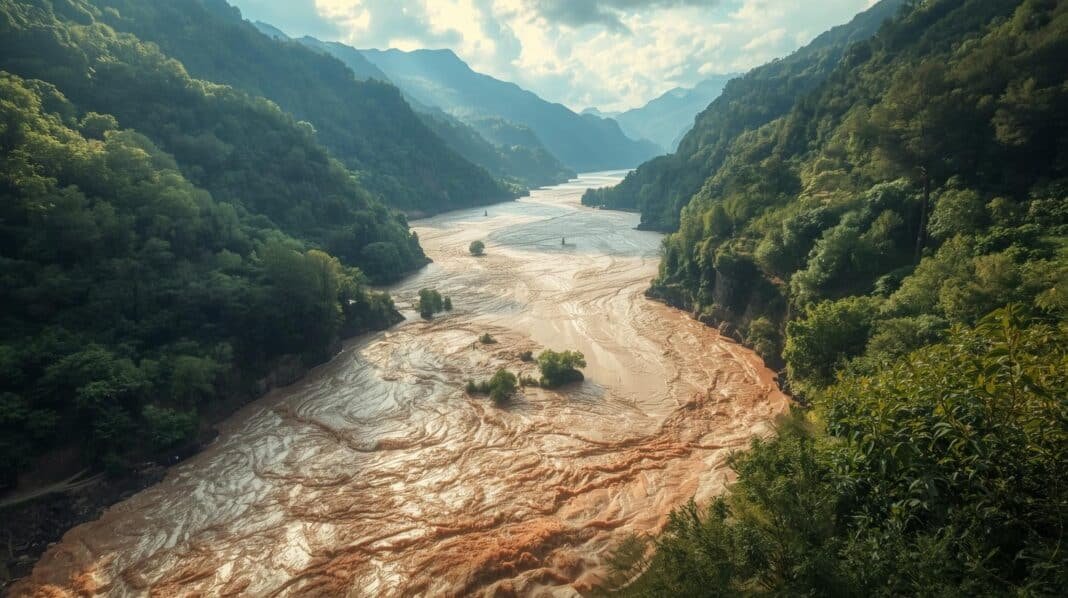
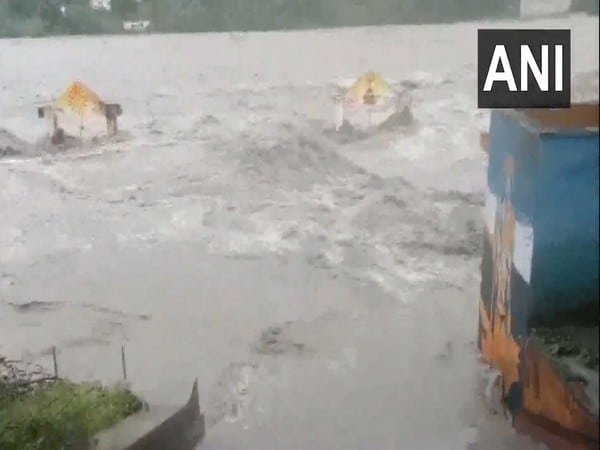
Amid the subdued backdrop of this year’s brutal monsoon season in South Asia, families in Punjab walk through waist-high water to escape their inundated homes. Children weep around clutching parents, roads disappear beneath torrents of runoff and the roar of rising rivers drowns out warnings blared over loudspeakers. What began as what seemed like a regional weather emergency is suddenly threatening to turn into a flash point in a high-stakes conflict between two nuclear-armed rivals, one that could end up testing the limits of how much a country can use its power over shared water resources.
India Releases Dam Water Following Intense Rainfall in Kashmir Region
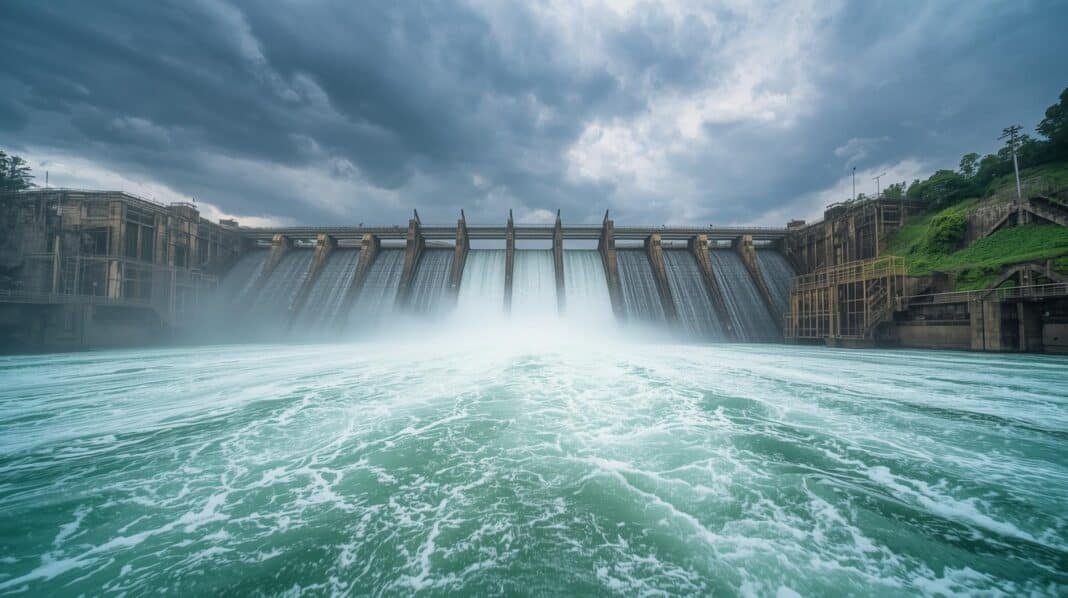
India released huge volumes of water from a dam to downstream Pakistani rivers on Wednesday following days of rainfall in its side of the disputed Kashmir region, the Pakistani authorities said. The gates of the main dams in the region have been opened to ease potential structural damage after water levels rose dangerously, an Indian government source said. Days of drenching monsoon rains had pounded northern India, so this early warning was to be expected with major effects expected downstream.
Why is India Blocking Off Dam Water to Pakistan?
Under those bilateral pacts and river-sharing agreements including the Indus Waters Treaty, India is required to inform Pakistan before the release of water when any dam in its territory reaches a certain level. This is the fourth such release, the discharge of which is being pegged at about 200,000 cusecs (cubic feet per second) of water, or about 5.6 million litres per second, since Sunday when two formal notices were issued to Pakistan. These notices were standard procedure for India when dam safety is threatened by heavy rains.
Indian Dams Open Gates to Secure Hydroengineering Structures
India’s decision to open the dam gates was, allegedly, the result not only of heavy monsoons, but of preventive measures to secure the safety and stability of hydroengineering facilities. The risk of overflowing for other areas becomes high when dams are over capacity. In this case, the overspill flows into rivers which cross the Line of Control in Kashmir and flow into Pakistan.
Pakistan Flooding Impacted by Sudden Surge in Dam Water Releases
The implications are immediate and serious in Pakistan. It further increases the volume emptying into rivers like the Sutlej, Ravi and Chenab waters that flow from Indian-administered areas and are already causing alarming floods. Red alerts have been issued for these rivers by Pakistani authorities. The province of Punjab, a crucial agricultural heartland and home to over 120 million people, is at an “exceptionally high” risk of flooding, officials say.
Pakistan Flood Warning in Punjab: Displacement and Damages
These floods not only disrupt life in the area; they also pose a threat to national food security since Punjab is considered the breadbasket of Pakistan. Disaster officials there said that over 167,000 residents have fled since warnings were issued in mid-August, and close to 40,000 others left as orders were extended to relatively few areas of the city on Saturday. So far, in Pakistan, the death toll from the monsoon season is 802 persons. Alarmingly, in the past month alone, more than half of these deaths took place.
Military and Evacuation Steps as Floodwaters Enter Homes
Military has been called in for flood rescue work and specially in Southern Punjab, where dykes are already breaching under the force of the water. The forced evacuations began on Friday as floodwaters broke through the walls of homes in villages and towns lining the rivers now swollen with waters released from dams in India.
India Dam Release 2025 and Monsoon Rains Threaten Punjab Further
Monsoon rains this year have been especially severe in South Asia, driven in part by changing climate patterns. Punjab, which is at the receiving end of the front line of the Indus river flood spill, is now threatened with floods of the 2010 and 2022 magnitude, if not worse. Monsoonal rainfall from the Kashmir basin has trickled through distributary channels down less-monitored river courses, in parallel with water from the Indian dams: together, they have built up a multi-front flood situation.
Crop Damage and Infrastructure Collapse in Flooded Punjab
Authorities say flooded farmland and broken supply chains, and tens of thousands of livestock deaths, in rural areas. Relief camps are overcrowded, and infrastructure damage has blocked key routes. Crops like wheat and rice in southern Punjab, particularly in Muzaffargarh, Bahawalpur and Rahim Yar Khan, are underwater and could be beyond rescue feeding fears of food shortages and food price inflation nationwide.
Strained Bilateral Relations Amid Cross-Border Water Flow Tensions
India and Pakistan are very sensitive to border tensions, particularly in the wake of another recent spike in military activity in May. To the extent dam water releases in the past were more often handled through treaty-related notification processes, the urgency and scope of the current situation may create political blame or distrust. Diplomatic analysts increasingly fear that if Pakistan begins to see the flooding as an act of deliberate neglect or even as a tactical assault by India it would reignite old hostilities.
Indus Waters Treaty in the Spotlight Amid Flooding in Punjab
That it illustrates the stark realities of water politics is evident when you consider that both countries still adhere to the Indus Waters Treaty of 1960 which provides mechanisms of dispute resolution, but in practice it all depends on how good or bad the monsoon of a particular year is. Public opinion in Pakistan, despite being weary from economic strain and displacement in the region, could become even more hostile with increasing suspicions that India’s actions were responsible for the flooding.
Also Read, India Floods 2025: 34 Dead in Jammu Landslide, Monsoon Wreaks Havoc
Disaster Relief in Pakistan and the International Call for Action
An increasingly common sight in flood-besieged belts of water gushing through the country, Pakistan is taking a tiered approach to the response. In Punjab, relief efforts led by the National Disaster Management Authority (NDMA) have been heightened, and soldiers were helping to evacuate people and distribute food, the military said. Temporary shelters are being set up and medical teams are being sent with the support of international aid groups.
Lack of Transparency on India Dam Release 2025 Strategy Raises Concerns
Meanwhile India has so far not made public a detailed schedule for dam releases, and whether this is one-off behaviour or part of a phased discharging plan. Satellites monitoring rivers and weather forecasts hint that more rains may be on the way to northern India and the Kashmir valley, which could require the release of more water from the dams.
Cross-Border Water Flow Communications Need Urgent Improvement
In such cross-border situations experts say updated real-time sharing of information has become crucial. Both nations with their current links to each other, communicate periodically and sometimes the immediacy and fast unfolding of a snowballing flood is being lost in these formal connections. Improved cooperation via co-used monitoring tools -backed by neutral third-parties such as the World Meteorological Organization- could diffuse tensions and optimize the management of emergencies.
Conclusion: A Humanitarian Need for Trust Over Shared Resources
As South Asia faces more erratic and heavier monsoon seasons, shared water resources challenges of the South Asia region demand renewed cooperation. The India Pakistan dam water release drama is not simply a technical or environmental question, it is essentially a humanitarian issue. At its center are the lives of more than a million people, caught in a swirl of climate uncertainty, taut diplomatic relations and the swift rivers that do not recognize man-made borders.
And the months ahead will be a test not only of floodwalls but of the will of two nations to work together before crisis tips over into catastrophe. What families in Punjab, both in India and Pakistan, need is not just housing it’s a sense of security, which only trust and timely conversation can provide.
Frequently Asked Questions (FAQs)
Why did India release dam water into Pakistan?
India released dam water due to dangerously high levels after extreme monsoon rainfall in the Kashmir region. As per the Indus Waters Treaty, India issued formal notices warning Pakistan. The action was primarily a safety measure aimed at preventing structural damage, but it has significantly increased flooding in downstream Pakistan.
How does the India Pakistan dam water release impact flooding in Punjab?
The sudden influx of 200,000 cusecs of water from Indian dams swells rivers like the Ravi, Chenab, and Sutlej, already burdened by monsoon rains. As a result, Punjab in Pakistan a key agricultural province is facing severe flooding, agricultural loss, displacement, and rising food insecurity.
What measures are being taken for disaster relief in Pakistan?
The National Disaster Management Authority (NDMA) has escalated relief efforts. Military units are actively involved in rescue, food distribution, and evacuation across flood-prone areas. Temporary shelters and international aid groups are also being deployed to assist with medical relief and infrastructure support.
Can future flood events be managed with better coordination?
Yes. Real-time data sharing, satellite monitoring, and third-party monitoring, such as through the World Meteorological Organization, can defuse tensions over cross-border water flow. Improved cooperation between India and Pakistan could help manage flooding more efficiently and avoid humanitarian disasters in the future.
Reference
India Releases Dam Water Warning Pakistan of Extreme Flooding