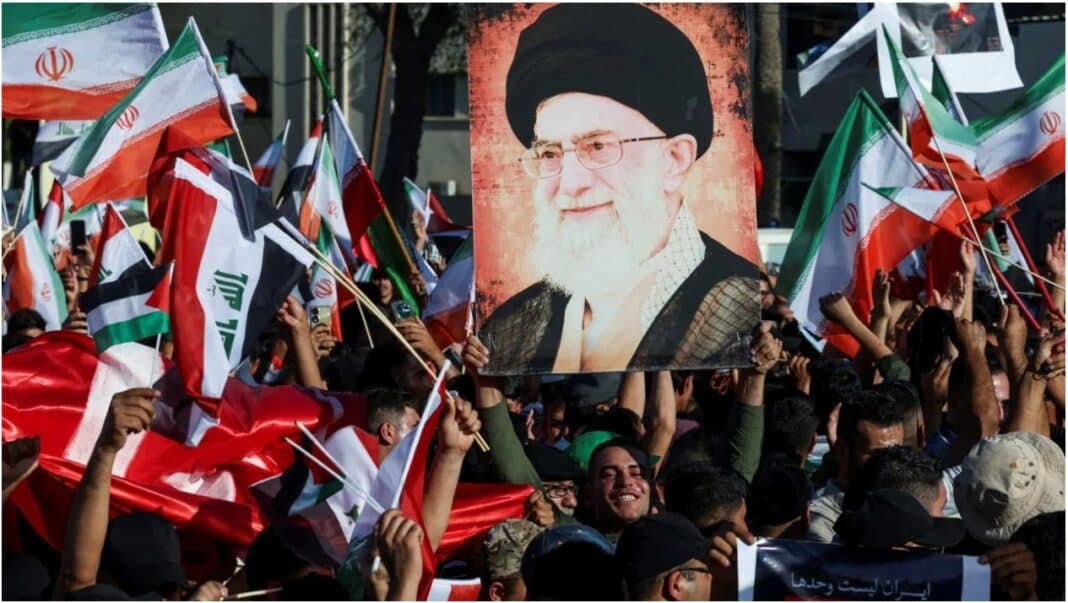

The ongoing turmoil in Iran’s southeast is a stark reminder of the longstanding ethnic and sectarian divides that provoke armed conflict. As Iranian security forces retaliate against militants in Sistan-Baluchestan, the repeated cycle of violence and repression highlights deep-rooted tensions concerning autonomy, minority rights, and Tehran’s hold over border provinces.
Iran Kills Militants After Police Officer Slain in Southeast Province
On Monday, it was the volatile southeast of Iran that boiled over into bloodshed, as simmering tensions in the restive region turned violent with Iranian security forces killing at least one person in response to the slaying of a police officer. This region of ethnic contrasts between ethnicities and wracked by militancy – with the government crushing disorder with iron-fist sweeps – saw yet another brutal act unfold when the government first announced six armed men were dead. The Iranian government’s crackdown against suspected insurgents, as well as among Sunni separatists, has highlighted the security threats that remain for Tehran, even as calls for greater regional autonomy have eased.
Press TV Confirms Iran Militant Attack and Security Response
According to The Jerusalem Post, on 23 August 2025, Iranian state media, Press TV confirmed that the country’s security forces had perpretrated a targeted killing in the province of Sistan-Baluchestan. The mission was a response to an earlier militant attack in the week in which an Iranian police officer was shot and killed. Reports said six militants, believed to have taken part in the attack, were killed in the counter-offensive.
Why Did Iran Attack Militants in the Southeast?
This region of Iran, and especially Sistan-Baluchestan, has a history of insurgency and unrest. The Iranian authorities have fought for years against armed groups in this frontier province, along the border with Pakistan to the east and Afghanistan to the west. Such clashes usually arise from protests by Sunni ethnic groups demanding more rights and autonomy under the Shi’ite-dominated government in Tehran. The latest episode underscored those simmering grievances and was the latest direct response by Iranian leaders to quash calls for regional autonomy or religious rights.
Iran’s Response Amid Internal and External Pressures
But the Iran militant assault took place at a time when the Iranian regime is at its most vulnerable to internal and external pressures. The death of the police officer set off a highly publicized response that Iran’s leadership employed to reassert its hold on national security. The six men who were killed were members of a militant cell that was said in state media to have carried out attacks in the region for years and to have had links to separatist or terrorist groups.
Sunni Militias in Iran: Who Are the Armed Groups?
The Sunni militants in Iran are primarily members of ethnic minorities living in border areas, such as the Baluch in the southeast. In contrast to most of the Shi’ites in the country, these two groups consider themselves religiously and economically underprivileged. The armed groups mostly claim to be acting to defend the rights of minorities and to support regional autonomy. Some of those factions have been aligned with organized insurgencies that have had armed confrontations with Iranian forces over the past two decades.
Baloch Insurgents and Iran’s Accusations of Cross-Border Terrorism
Within these are also Baloch rebels whom Iran has accused of conducting attacks into its territory from neighboring Pakistan. They are notorious for launching surprise attacks aimed at punishing military, police and government targets. This is generally believed to be true in the Iran security operation that is taking place inside Sistan-Baluchestan, where the targets are believed to be groups that Iran claims are receiving support from foreign sources (though this is an area of political contention and not verified independently).
Root Causes Behind the Iran Militant Assault in Southeastern Province
But the recent convulsions in Sistan-Baluchestan are Iran’s effort to reassert strategic control over one of the region’s more, and potentially most, turbulent threats. killing in Iran policeThe latestincident reopened their rift with the state and militants. The slain officer had been working on an effort to crack down on smuggling, one report said – a common deployment for law enforcement in this area, where drug smuggling and illegal cross-border activity are both widespread.
Negotiating with Blood and Steel: Iran’s Counter-Terrorism Doctrine
The government’s quick actions, which saw Iranian security agents surrounding and killing the militants in under a week, is a case of a negotiation with blood and steel, as well as with words. Such instant retribution is consistent with the country’s approach of zero tolerance to what it views as separatist terrorism. Iran said it had killed the insurgents with no civilian casualties, but independently verifying those claims has been difficult with the government restrictions on media coverage of conflict zones.
Also Read, Gaza Famine Declared: 33 Killed Amid Israeli Strikes
Iran Southeast Violence and the Repercussions on Domestic Stability
Iection l violence l Machine Violence l Continued Iran southeast violence The violence in Iran southeast represents a marginal problem in a broader regional issue with political alienation and militant escalation. Poverty, marginalization and a belligerent militarism have provoked ethnic resentments in provinces like Sistan-Baluchestan. Government’s action, so called counter-terrorism is generaly percieved as repression by the local communities.
Geopolitical Dynamics and Tehran’s Assertiveness in Border Control
The geopolitical dilemma is further entangled with regional rivalry boiling over ambitions on Iranian influence. Clashes like the recent ones are often read as an effort by Tehran to look powerful at home – particularly when the central government is facing international pressure or its own internal economic challenges.
Where Is the Situation Headed? An Outlook on Iran’s Southeast Crisis
Officials in Iran have said they would clamp down after the latest wave of arrests. Sistan-Baluchistan security is increasing and there are more ‘informed’ reports that surveillance of “suspicious elements” will expand. But unless grudges are addressed, analysts caution that the Iran kills militants reaction might amount to little more than a recipe for lasting instability.
Security Surge, Civil Liberties, and Human Rights in Contested Provinces
Residents in the afflicted provinces still attest to large numbers of soldiers on the streets and an increased level of surveillance. Human rights monitors have raised worries in the past about the treatment of ethnic minority groups during such operations, although state-backed media have not reported any wrongdoing in this latest instance.
The Path Ahead: From Control to Reform?
The persisting challenge of insurgency and separatism in Iran, also signals the complex dynamics that are currently shaping societies within that country. While the hardline policy is being further intensified by the central government, a long-lasting peace and stability is not something that can be achieved merely through military oppression. It encompasses political reform, investment in impoverished regions of the country and respect for minority rights.
Until such measures are consistently adopted, the southeast of Iran, will in all likelihood remain a powder keg. And the recent wave of strikes by Iran-leaning militants and security operations – no matter how successful in the short term – is an indication of the real conflict between Tehran’s central authority and the ethnic communities seeking change within it on the periphery.
Frequently Asked Questions (FAQs)
Why did Iran kill six militants in Sistan-Baluchestan?
Iran's security forces carried out a targeted operation in response to the recent Iran police killed incident in Sistan-Baluchestan. The six militants were accused of having ties to armed groups and carrying out insurgent attacks, making it a show of force amid increasing Iran southeast violence.
Who are the Sunni militants in Iran?
Sunni militants in Iran are predominantly ethnic groups like the Baluch, who live in border regions. These groups often complain of political and economic marginalization and are at the center of many Iran separatist clashes driven by calls for religious freedom and regional autonomy.
What makes Sistan-Baluchestan a persistent hotspot for conflict?
Sistan-Baluchestan suffers from chronic poverty, inadequate infrastructure, and strained ethnic relations. The presence of armed groups in Iran and accusations of foreign-backed militancy have made it one of Iran's most unstable regions despite repeated Iran security operations and crackdowns.
Reference
Iran Kills 6 Militants in Southeast After Police Officers Die in Attack